
When you walk through Seville, you can feel the weight of history everywhere. The city is famous for its majestic cathedral, the Moorish Real Alcázar, and the fiery flamenco echoing through its streets. Yet there is another part of Seville’s past that is often less visible but just as important: its Jewish heritage. For centuries, the Jewish community was an essential part of Seville. They contributed to trade, science, art, and even the way the city looks today. But over time, their presence was largely erased due to persecution and expulsion. In this blog, we dive deeper into that forgotten history and bring their story back to light.
The Jewish Quarter: A Hidden World in the Heart of Seville
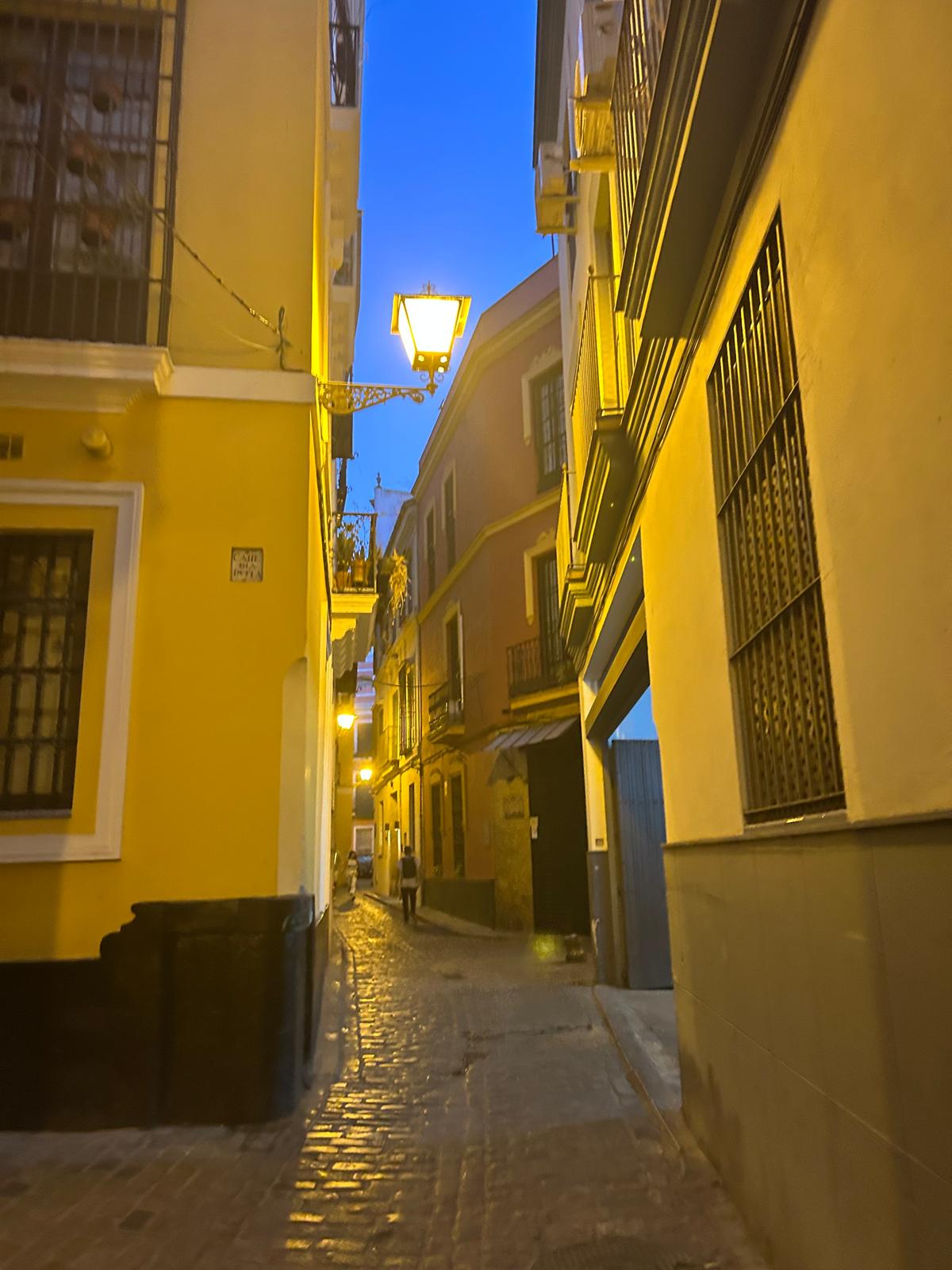
The heart of Jewish life in Seville was the Judería, the Jewish Quarter. Today, this area overlaps mostly with the neighborhood of Santa Cruz, one of the city’s most visited districts. As you wander through it, you immediately notice something unique: narrow, winding streets that form a maze. This design was practical and symbolic. On one hand, it offered protection—narrow streets were easier to defend. On the other hand, they provided shade and cooler air in the blazing Andalusian summers. Behind large wooden doors, families gathered in inner courtyards (patios), enjoying meals, celebrations, and community life.Although no original synagogues remain active, the atmosphere is still present. Squares like Plaza de Santa Cruz and streets such as Callejón del Agua serve as reminders of a once-thriving Jewish world. Walking here feels like stepping into another time.
The Influence of the Jewish Community on Seville
The Jewish population was not just part of Seville—they were among the driving forces behind its prosperity. During the Middle Ages, Seville grew into a powerful economic and cultural hub, and the Jews played a central role in this process. Many worked as artisans and merchants, building trade networks that stretched across the Mediterranean and beyond. Jews were also highly educated, which made them invaluable in a society where knowledge was limited. Jewish physicians treated nobility and royalty, while Jewish scholars translated texts from Arabic and Latin, spreading knowledge of medicine, mathematics, and philosophy throughout Europe. They also contributed to agriculture, introducing new methods and crops that influenced Andalusian cuisine. Without their contribution, Seville’s rise as a medieval powerhouse would have been unimaginable.
Architecture and Heritage in the Judería
The Jewish legacy is still visible in the layout of the old quarter. The narrow streets and whitewashed houses were practical for heat control but also created a sense of protection and intimacy. Many synagogues were later converted into churches. A striking example is the church of Santa María la Blanca, which was originally one of Seville’s main synagogues. After waves of persecution, it was transformed, but traces of its Jewish past remain in its design and decoration. The Andalusian patio, with tiled walls, fountains, and plants, was another space where Jewish and Moorish traditions blended, leaving a lasting mark on the city’s identity.
The Decline of the Jewish Community
Tragically, the story took a darker turn. In 1391, a violent pogrom erupted in Seville. Many Jews were killed, their homes looted, and synagogues destroyed. Survivors were often forced to convert to Christianity. A century later, in 1492, the Catholic Monarchs issued the Edict of Granada, ordering all Jews in Spain to either convert or leave the country. For the Jews of Seville, this marked the end of centuries of life in the city. Their homes were taken, their synagogues repurposed, and their presence gradually erased from memory.
The Jewish Community in Seville Today
Although the medieval community is gone, Jewish culture has not disappeared entirely. Small Jewish groups have returned to Seville, often coming from abroad. There are also cultural associations and guided tours dedicated to preserving and sharing this part of the city’s history. Visitors can take special walks through Santa Cruz, where guides recount the hidden stories behind its courtyards and plazas, helping to uncover a layer of Seville that most tourists miss.
Cultural and Culinary Influence
Jewish influence also lives on in subtle ways. Certain Andalusian dishes, especially stews made with legumes and vegetables, have roots in Jewish cooking traditions. Their emphasis on simple but nutritious meals fits perfectly into Seville’s food culture. The architecture of private courtyards, with their water features and shaded gardens, also reflects both Jewish and Moorish traditions of creating peaceful, inward-looking spaces.
Why This History Matters for Seville
The Jewish story makes Seville even more special because it shows how diverse the city has always been. Seville was never just a city of kings or Moorish rulers—it was also home to Jews who played a vital role in its growth. Ignoring this part of history would mean ignoring a piece of the city’s soul. By remembering the Jewish heritage, visitors and locals alike gain a deeper understanding of Seville’s layered identity. Walking through Santa Cruz becomes more than sightseeing; it becomes a journey through time.
Final Thoughts
The Jewish history of Seville is one of brilliance, tragedy, and memory. Even though the traces are often hidden, their legacy still shapes the city. To truly understand Seville, one must embrace not only its Christian and Moorish past but also the Jewish chapter that made it whole.

