
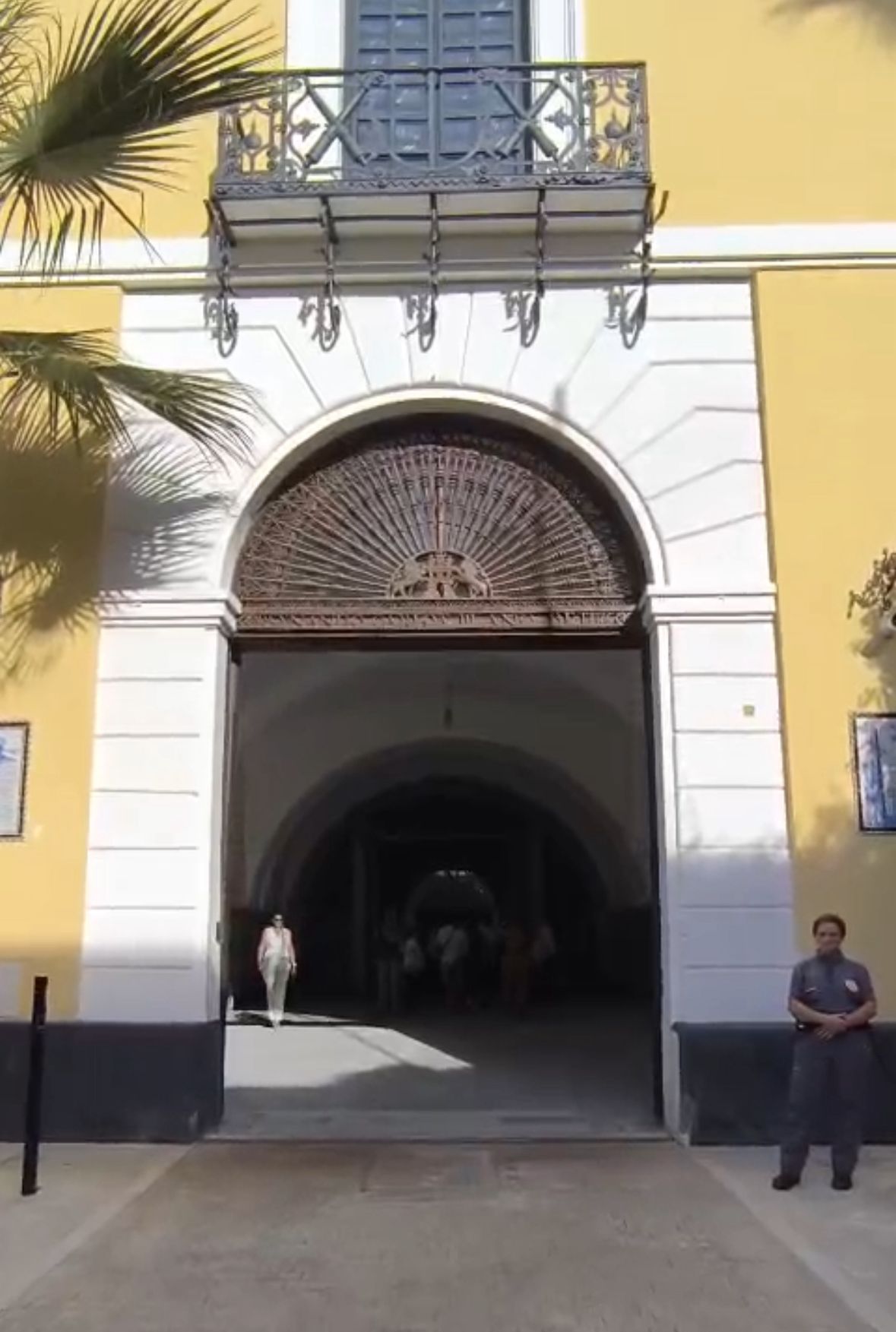
From October 23 to November 2, you can visit the Reales Atarazanas of Seville for free during the open-door period. This unique opportunity allows visitors to walk through a monument that served for centuries as a shipyard, an arsenal, and is now being transformed into a cultural center. For anyone visiting Seville and wishing to discover a piece of hidden heritage, this is the perfect moment.
What Are the Reales Atarazanas and Why Were They Built?
The Reales Atarazanas of Seville were originally built as a shipyard on the banks of the Guadalquivir River, at a time when Seville was a major maritime hub. The name “Atarazanas” comes from the Arabic term dar aṯraʾ or similar words meaning “shipyard” or “dockyard,” a reminder of the Moorish and medieval origins of the city. Over the centuries, the building served many purposes: as a shipbuilding workshop, a munitions depot, an arsenal, and later even an artillery factory. Because of this, it represents a fascinating layering of history, technology, architecture, and urban development.
Architecture and Unique Structural Features
The Reales Atarazanas are impressive due to their size, structure, and state of preservation. The building consists of a series of naves with brick arches, vaults, and galleries—typical features of late-medieval or Gothic civic industrial architecture. During the recent restoration, great care was taken to preserve original elements such as old wooden beams, iron supports, and barbacana walls (defensive structures) that once marked the working area. The scale and spaciousness of the building make it an awe-inspiring monument, reminding us of a time when Seville was directly connected to the river and the sea.
Why This Monument Is So Special for Seville
The Reales Atarazanas symbolize, in many ways, the wealth and importance of Seville during the early modern period. In the 16th century, when Seville was the gateway to the Americas, this building played a crucial role in shipbuilding, the storage of goods, and military defense infrastructure. The monument recalls the maritime glory of the city and shows how industrial, military, and civic architecture were intertwined with Seville’s growth as a global capital. A visit offers not only architectural beauty but also insight into the city’s urban, commercial, and colonial history.
Restoration and Future Transformation
In recent years, the building has undergone a complete restoration—a multimillion-euro project that renewed almost 12,000 m² of space. The restoration had two main goals: to preserve the historic monument and to transform it into a modern cultural center. From October 23 to November 2, the building will be temporarily open to the public before its final reopening as a cultural platform planned for late 2026. During this open-door period, you can explore the monument for free, admire the restoration work, and get a glimpse of its exciting future.
What a Visit Looks Like: Practical Information
Dates & Time: October 23 – November 2, open from around 9:00 a.m. to 6:00 p.m.
Admission: Free for all visitors during this period.
Location: In the El Arenal district of Seville, near the banks of the Guadalquivir River.
What to See: Old vaults, restoration zones, informative panels about history, and occasionally temporary exhibitions.
Advice: Visit early in the day to enjoy the tranquility; due to free entry and high interest, crowds are expected. Wear comfortable shoes, as the monument is large and still partially under reorganization.
Additional Themes
Comparison with Other Atarazanas Complexes: There are several other “Atarazanas” (shipyards) in Spain—such as those in Barcelona and Valencia. Comparing Seville’s version to the others in terms of function, preservation, and restoration adds valuable insight.
Role in Navigation and Trade with the New World: What exactly was the role of this building in maritime routes to the Americas? How were ships built or maintained here?
Technological Aspects of the Restoration: What modern techniques were used to restore this monument? How were historical materials combined with contemporary construction?
Future Plans for the Building: What will happen once the site fully reopens? What cultural activities are planned, and how will they contribute to the city?
Exploring the Area: Located in a historic and touristic zone, the building is surrounded by other points of interest—such as the Torre del Oro, the river promenade, and the port district.
Why This Open-Door Period Is So Important: This temporary opening is rare; access is normally restricted. Why is this such a unique opportunity now?
Why You Shouldn’t Miss It When Visiting Seville
A visit to the Reales Atarazanas offers something different from the usual museums or churches. It’s a monument that is not only visually stunning but also lets you feel how Seville was shaped by trade, navigation, and industry. You walk through spaces where ships were once built centuries ago, and where soon cultural events will take place. The free admission makes it even more inviting. For those who love architecture, history, and urban evolution, this is an absolute must-see.
Conclusion
The Reales Atarazanas of Seville are a hidden treasure that offers a new perspective on the city. From October 23 to November 2, you can freely explore this monumental complex. It’s a chance to discover an important piece of Seville that often goes unnoticed. Whether you’re passionate about history, architecture, or simply enjoy visiting extraordinary places, this building deserves your attention. Don’t miss it!

