
In the historic centre of Seville, on Calle Doña María Coronel, stands the Monasterio de Santa Inés. The convent was founded in the 14th century by María Fernández Coronel, an aristocratic woman who holds a special place in the history of the city. Her name is closely associated with King Pedro I of Castile, a tragic love story and a remarkable decision that ultimately led to the foundation of a convent that still exists today.
Her confrontation with King Pedro I
María Coronel was born around 1334 into an influential Sevillian family. Her father, Alonso Fernández Coronel, was an important nobleman at court. She married Juan de la Cerda, but her family eventually came into conflict with King Pedro I of Castile.
In 1353, the king ordered her father to be executed. A few years later, her husband suffered the same fate after rebelling against the king.
According to a well-known Sevillian legend, Pedro I subsequently became obsessed with María’s beauty and attempted to win her affection. María wanted nothing to do with him and sought refuge in the convent of Santa Clara.
The best-known part of the story recounts how, when the king eventually managed to find her, she poured boiling oil over her own face to disfigure her beauty and escape his advances. Whether this happened exactly as described has never been historically established. Nevertheless, the story remains one of the best-known legends in Seville’s history.
The founding of the Santa Inés convent
After the death of Pedro I, Enrique II came to power. María Coronel recovered part of her family’s confiscated property and decided to use her wealth for a religious project.
In 1374, she received permission to establish a new convent belonging to the Poor Clares, an order of Franciscan nuns. She chose the site of her family’s former estate in Seville. By 1376, the convent was completed and approximately forty nuns had moved into the building.
This became the Monasterio de Santa Inés. María Coronel was responsible for its foundation and financial support. She did not become its abbess; that position was held by María López de Bermeo.
Why is María Coronel so important to Seville?
María Coronel is remembered in Seville for several reasons.
First, her life is closely connected to a turbulent period in Castilian history, during which King Pedro I played a major role. Her family became victims of the political conflicts surrounding the royal court.
Furthermore, she was an important female benefactor in the 14th century. Through her own wealth, she made the foundation of Santa Inés possible. The convent has existed for more than 650 years and remains an important part of Seville’s historical heritage.
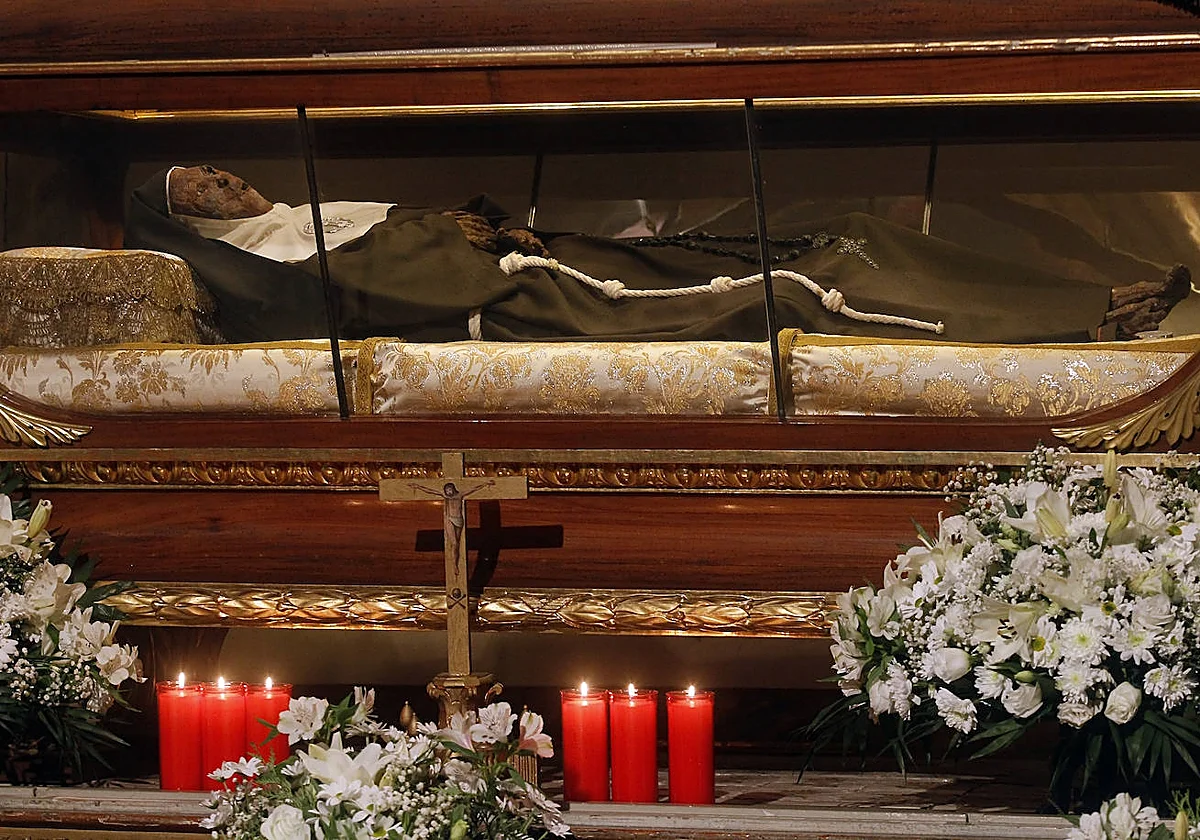
Her tomb also contributes to her lasting reputation. Her body is preserved in the convent and is traditionally considered to be remarkably well preserved. This has also made her a figure of religious veneration.
Today, when walking along Calle Doña María Coronel, you are not simply passing a street name. It commemorates a woman who left a lasting mark on the city. Her story connects the political intrigues of the 14th century with a convent that remains part of Seville’s religious and cultural heritage to this day.
Address: Calle Alcalde Isacio Contreras, 1, Seville
Website: www.atdspain.com
Instagram: @ATD.spain
TikTok: @ATD.spain

