
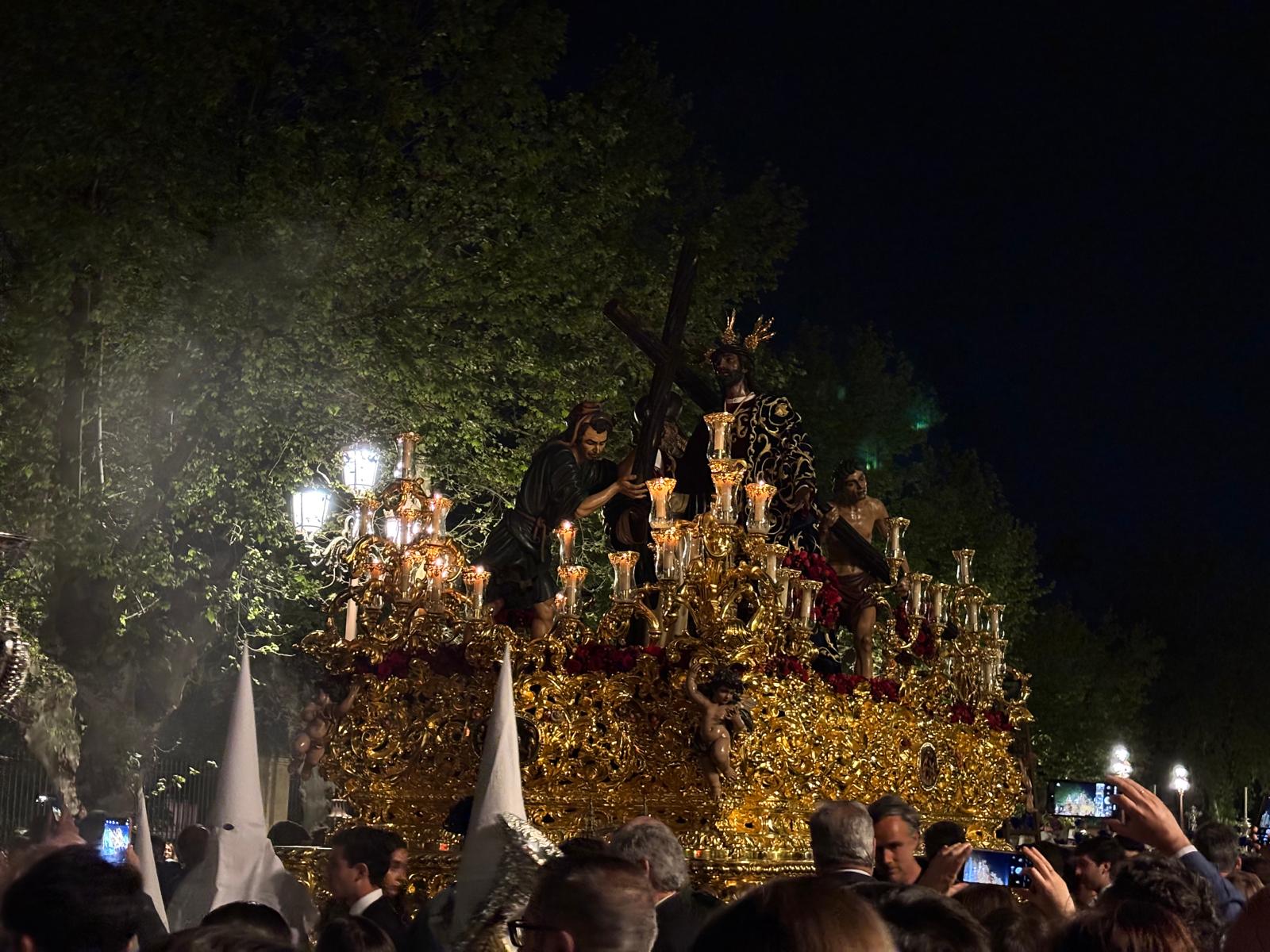
If you’ve ever been to Spain around Easter, you may have already heard of it: Semana Santa. This literally means “Holy Week” and is one of the country’s most important traditions, particularly in the region of Andalusia. It’s celebrated on a grand scale in cities like Seville and Málaga. But it also plays a major role in smaller villages.
What makes this week so special is that religion, culture, and tradition all come together. Even if you’re not religious, it’s something you have to experience at least once!
What exactly is Semana Santa?
Semana Santa is the week before Easter. For Christians, this is an important time because it centers on the story of Jesus: his suffering, his death, and ultimately his resurrection.
In many countries, this is mainly celebrated in church, but in Spain, it also takes place very visibly in the streets. Every day there are processions in which this story is reenacted.
The week usually begins on Palm Sunday and ends on Easter Sunday. The most important days are Maundy Thursday and Good Friday. The largest and most impressive processions take place on these days.
The processions: impressive and sometimes a bit mysterious
The processions are really the heart of Holy Week. During these parades, groups of people walk through the city in special attire. These groups are called “cofradías.” They are religious brotherhoods that have often existed for hundreds of years!
They wear long robes and pointed hoods (called “capirotes”). To many tourists, this may look a bit strange or even intimidating at first, but it has religious significance. It symbolizes penance and anonymity.
What really makes the processions special are the large statues that are carried along. These statues depict figures such as Jesus or the Virgin Mary and are often very detailed and emotionally evocative. Some statues are even hundreds of years old.
The statues stand on large platforms called “pasos” or “tronos.” These are carried by groups of people, sometimes as many as dozens at a time! It’s hard work and often goes on for hours.
Why is it so important to Spaniards?
For many Spaniards, Holy Week is more than just a religious event. It’s something they’ve grown up with. Families have often participated in the same procession for generations.
For example: a grandfather participated, then his son, and now his grandson. That makes it something personal and emotional. People often spend the whole year preparing for it, for instance by getting their costumes ready or organizing their brotherhood.
It’s also a time when people come together. The streets are filled with locals and tourists. People wait together, talk to one another, and share the experience. So it has a social side as well. For some people, it’s primarily religious; for others, it’s more cultural. But almost everyone in Spain knows about Semana Santa and has a memory associated with it.
The atmosphere: between silence and emotion
What surprises many people is the atmosphere during Holy Week. It’s not just crowded and loud, but also quiet and emotional.
Sometimes an entire street is packed with people, yet you can’t hear a thing. Everyone is watching the procession as it slowly passes by. You can feel that it’s a special moment. At other times, you might hear music or someone spontaneously breaking into song (this is called a “saeta”). These are often emotional songs sung specifically for this week. That alternation between silence and music makes it truly unique!
Food During Holy Week
As with many holidays, Holy Week also features special foods. Because it is a religious observance, many people eat less meat, especially on Good Friday.
You’ll often see these dishes in bakeries and restaurants during this time. They’re truly part of the experience. And, of course, they’re delicious!
Typical dishes include:
- Torrijas: a type of Spanish French toast, often served with honey or sugar
- Pestiños: fried dough snacks with honey
- Fish dishes: such as cod
Tips for Experiencing Semana Santa
Here are a few helpful tips if you plan to experience Semana Santa firsthand:
- Arrive early: it can get very crowded
- Find a good spot: some streets are more popular than others
- Respect the tradition: for many people, this is a solemn occasion
- Be patient: processions can start late and last a long time
- Wear comfortable shoes: you’ll often be standing for a long time
- Check the weather: processions may be canceled if it rains
It’s also a good idea to check the schedule in advance so you know when and where the processions are!
Would you like to experience this unique procession firsthand and really soak up the atmosphere of Semana Santa? During our daily bike tour, we’ll pass by several spots where you can see the preparations, and we can also give you the best tips, either in our store or online, to help you fully enjoy Semana Santa. If you have any other questions, we’re more than happy to answer them. Whether online or in our store, we’re here to help!
Adres: Calle Alcalde Isacio Contreras, 1, Sevilla
Website: www.atdspain.com
Instagram: @ATD.spain
TikTok: @ATD.spain
Facebook: Andalucia Tours and Discovery

