
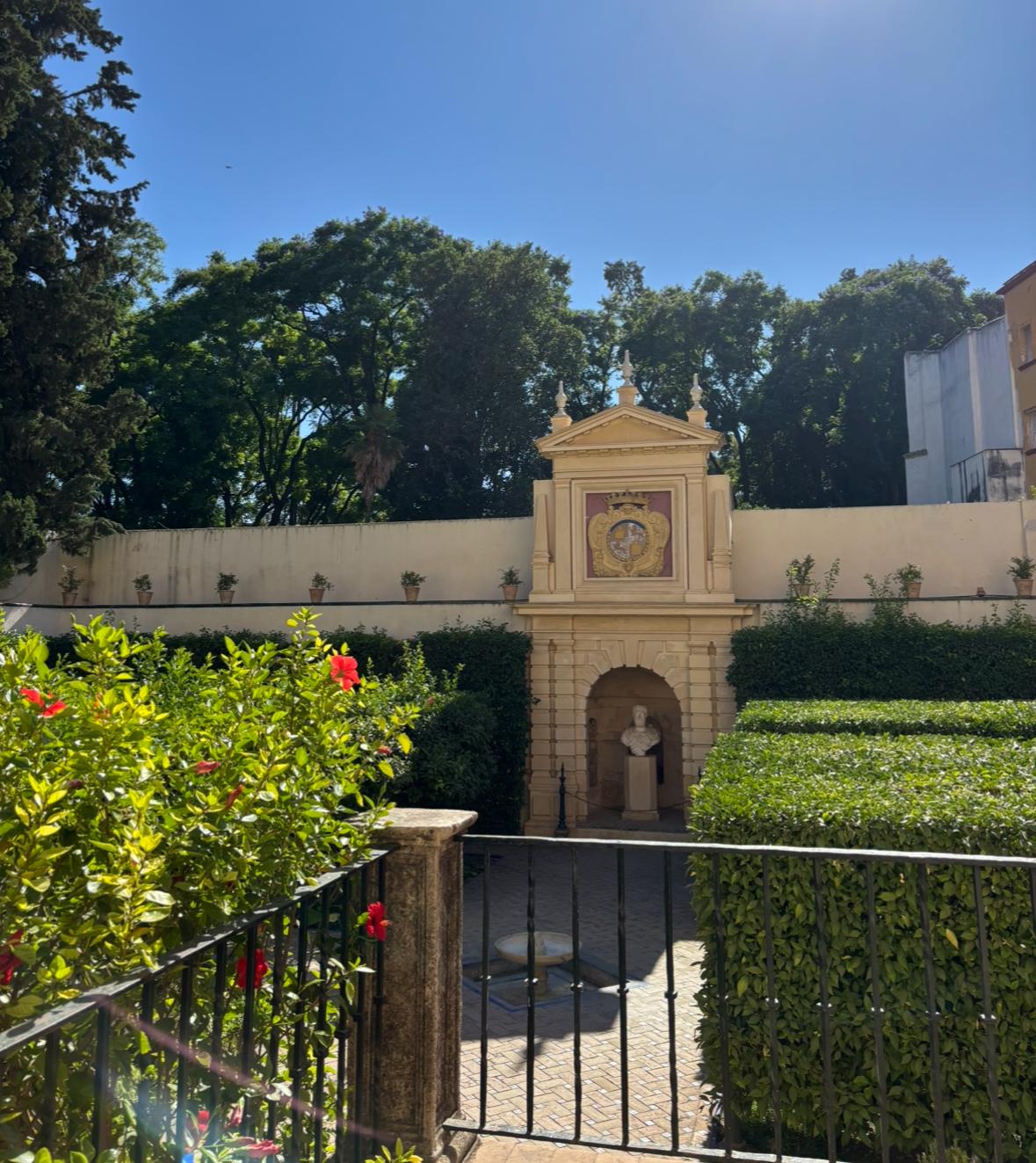
Seville is known for its lively atmosphere, impressive monuments, and warm sunshine, but behind the busy streets and historical buildings lies another hidden world: that of serene, green gardens. These places tell stories of ancient cultures, monarchs, and architects who understood how important peace and nature are in urban life. From the fragrant orange trees near the cathedral to the vast palace gardens of the Alcázar, Seville is a paradise for anyone who loves history, beauty, and tranquility. In this blog, we take you on a journey through the city’s most beautiful and remarkable gardens and show why these green oases are an essential part of Sevillian life.
Patio de los Naranjos: The Fragrant Silence beside the Cathedral
In the heart of Seville, right next to the cathedral, lies a place that radiates calm: the Patio de los Naranjos. This small, enclosed courtyard filled with orange trees was once part of the mosque that stood here in the 12th century, before the cathedral was built. At that time, worshippers used this courtyard to ritually wash before prayer. Today, it is a shaded spot where visitors can escape the bustle of the tourist center. The orange trees are not only beautiful to see but also a symbol of Seville itself. In spring, their sweet fragrance fills the air, while the gentle sound of water from the old fountain creates a feeling of peace. The Patio de los Naranjos is free to visit through the cathedral entrance and is a perfect place to sense the transition between Seville’s spiritual past and its lively present.
The Gardens of the Real Alcázar: Royal Beauty Full of History
No visit to Seville is complete without a walk through the gardens of the Real Alcázar, the royal palace that has been inhabited by Spanish monarchs for centuries. The gardens form a true maze of fountains, ponds, flower beds, and mosaic-covered walls. Here, Islamic, Gothic, Renaissance, and Baroque influences come together, each era leaving its own mark on this remarkable place. What makes these gardens so enchanting is the combination of symmetry and vitality. Everywhere you hear the sound of flowing water, coming from countless fountains designed to bring coolness during the hot Andalusian summers. The scent of jasmine, roses, and orange blossom fills the air, and if you listen closely, you can hear birds singing among the palms and cypress trees. The Alcázar gardens are open daily, usually from 9:30 a.m. to 5:00 p.m. in winter and until 7:00 p.m. in summer. Admission costs about €14, and it is best to book tickets online in advance to avoid waiting lines. Tip: go early in the morning or late in the afternoon, when the light is soft and the crowds are fewer.
Jardines de Murillo: A Green Oasis in the Heart of the City
At the edge of the Santa Cruz neighborhood lie the Jardines de Murillo, named after the famous Sevillian painter Bartolomé Esteban Murillo. These gardens were once part of the Alcázar palace but were later opened to the public. Today, they are one of the most popular places among locals to walk, read, or simply escape the city’s bustle. The atmosphere here is relaxed and welcoming. You will find wide walkways, benches in the shade, and colorful tiles with mosaic patterns. The combination of shady trees and open spaces ensures that it remains pleasant even in summer. What many visitors do not know is that the Jardines de Murillo are full of symbols of Andalusian history. The decorations reflect ancient Moorish motifs and royal iconography. Entrance to the gardens is free, and they are the perfect place to take a break during a walk through Santa Cruz. Bring a book or a picnic, and enjoy the sound of the birds and the soft rustling of the leaves.
Casa de Pilatos: Where Nature and Architecture Unite
The Casa de Pilatos is perhaps one of the most elegant buildings in Seville, and its gardens complete its charm. This 16th-century palace is a masterpiece of Andalusian architecture, combining Renaissance, Mudéjar, and Italian influences. The courtyards and gardens are rich with plants, flowers, and small fountains that fill the air with the sound of running water. Unlike the expansive Alcázar gardens, the gardens of the Casa de Pilatos are intimate and refined. You can walk quietly among ivy, roses, and orange trees while admiring the beautiful azulejos (glazed tiles) that decorate the walls. The house and gardens are open daily, with an entrance fee of about €10. Tip: visit in the afternoon, when the sun shines gently through the arches and casts a golden glow over the tiles.
Jardines de la Buhaira: The Historic Gardens of the Caliphs
Just outside the historic center, in the Nervión district, lie the lesser-known Jardines de la Buhaira. These gardens were built on the remains of an ancient Islamic palace that once belonged to the Caliph of Córdoba. Today, they are a peaceful place where history and modern life meet. What makes these gardens special is their design, which combines geometric shapes and reflective water features, typical of Islamic garden style. In the middle of the park stands the old palace building, surrounded by fountains, ponds, and olive trees. Here you can see how the ancient tradition of water as a symbol of life and purity still lives on in Andalusian culture. The Jardines de la Buhaira are free to enter and are a wonderful place for a quiet walk, especially at sunset, when the sky turns orange and the city slowly comes to rest.
The Meaning of Water in Andalusian Gardens
One of the most striking elements of Seville’s gardens is the use of water. In Islamic culture, which had a great influence on Andalusia, water symbolizes paradise—a place of peace, purity, and life. That is why in almost every garden you can hear the soft sound of flowing water. Fountains, ponds, and irrigation channels were not only decorative but also functional, as they helped keep the gardens cool during the hot summers. In the Alcázar and the Jardines de la Buhaira, you can still see the ancient Arabic irrigation systems carefully designed to water every corner of the garden. This ingenious system shows how advanced the architecture of the time was and how deeply the connection between humans and nature was valued.
The Most Beautiful Gardens for Photography and Relaxation
For photography lovers, the gardens of Seville are a dream location. The combination of colorful tiles, greenery, light, and shadow offers endless photo opportunities. The Patio de los Naranjos provides beautiful contrasts between stone and nature, while the Alcázar gardens, with their fountains and floral abundance, form a fairytale setting. The Casa de Pilatos is ideal for those who love detail photography: the patterns on the tiles and the play of sunlight through the arches provide new perspectives each time. Even if you are not taking photos, these places are perfect for escaping the city’s hustle. Take the time to sit, listen to the sounds, and enjoy the peace, just as Sevillians have done for centuries.
More Green Treasures in the City
In addition to the well-known gardens, there are many other green spots worth discovering. Think of the Parque de María Luisa, perhaps the most famous park in Seville, with its monumental fountains and shady avenues. Or the Huerto del Rey Moro, a hidden community garden in the Santa Cruz neighborhood where residents grow vegetables and herbs. These places show that Seville not only breathes history but also lives and grows—both literally and figuratively.
Tips for a Perfect Garden Visit
The best time to visit is in spring and autumn, when temperatures are pleasant and plants are in bloom. Bring a bottle of water, a sun hat, a camera, and comfortable shoes. Some gardens, such as the Alcázar, require online reservations, while others, such as the Jardines de Murillo, are free. Many gardens are meant to be peaceful places, so avoid loud talking and do not leave any litter behind.
Why the Gardens of Seville Are So Special
The gardens of Seville are more than just beautiful places to visit—they are living witnesses to the city’s rich history. They tell stories of caliphs and kings, of artists and architects, of people who sought to create beauty in the heat of Andalusia. Each garden, no matter how small, contributes to the character of Seville: a city where life, art, nature, and history come together in harmony. Whether you are a history lover, a photographer, or simply someone who wants to escape the bustle for a while, the gardens of Seville show that peace and beauty are often closer than you think; hidden behind a gate, under the shade of an orange tree.

