
A City Shaped by History
Walking through an Andalusian city quickly reveals how strongly history is connected to everyday life. Narrow streets, decorative arches, colorful tiles, and courtyards filled with plants show that the Moorish period left a lasting mark on the city. Although this era ended centuries ago, its influence can still be seen everywhere. Moorish culture shaped not only architecture but also urban planning, traditions, and the cultural identity of the region.
Who Were the Moors?
The Moors were Muslim peoples from North Africa and the Middle East who entered the Iberian Peninsula in 711. Over the following centuries, they established Al-Andalus, a territory that became known for its cultural diversity and intellectual achievements.
During this period, cities developed into important centers of trade, science, education, and art. The Moorish rulers introduced new agricultural methods, architectural styles, and technological innovations. These contributions helped many cities prosper and become some of the most advanced urban centers in medieval Europe.
Architecture as a Visible Reminder
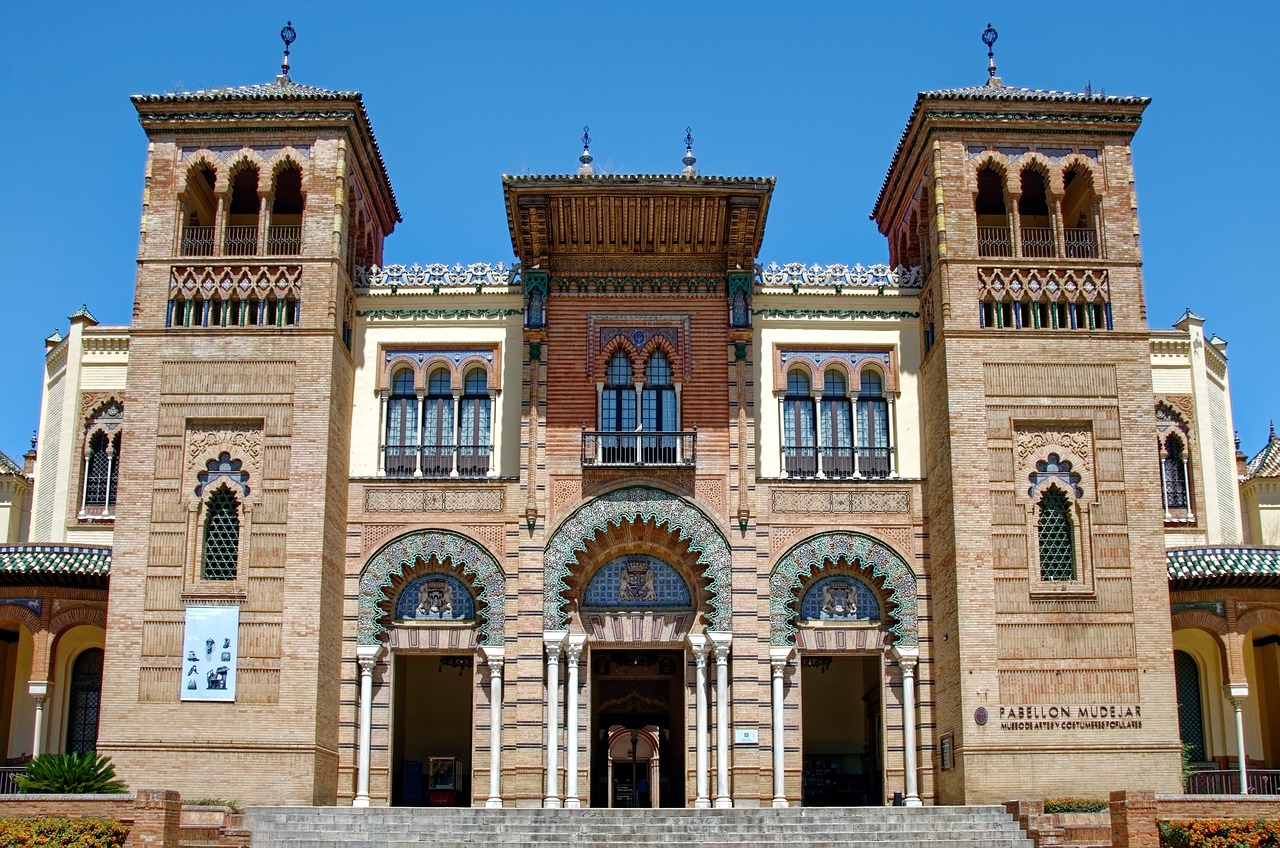
One of the clearest examples of Moorish influence is architecture. Horseshoe arches, geometric patterns, detailed carvings, and elegant courtyards are all typical features of Moorish design. These elements were not only decorative but also practical.
Courtyards with fountains helped cool buildings during hot summers, while narrow passages and shaded areas created more comfortable living conditions. Architects carefully adapted their designs to the local climate, resulting in buildings that were both beautiful and functional.
Many historic structures still display these characteristics today. Even after Christian rulers took control of the region, numerous Moorish elements remained intact. This created a unique blend of architectural styles that continues to define the city’s appearance.
The Impact on Urban Design
The influence of the Moorish period can also be seen in the layout of the city itself. Narrow streets, winding alleys, and hidden squares are common features of traditional Moorish urban planning.
These designs served practical purposes. The narrow streets provided shade from the strong sun, while the maze-like structure offered privacy and protection. Today, these same streets give the city much of its charm and character.
Exploring the historic neighborhoods often feels like stepping back in time. The combination of ancient buildings, quiet courtyards, and traditional streets highlights the enduring legacy of the Moorish era.
Cultural and Scientific Contributions
Moorish influence extends far beyond architecture. The Arabic language contributed many words to modern Spanish, and several ingredients commonly used in Spanish cuisine were introduced during the Moorish period.
The Moors also brought significant knowledge in fields such as mathematics, astronomy, medicine, and agriculture. Their scientific achievements helped preserve and expand learning during the Middle Ages and played an important role in the development of European knowledge.
Art, music, and craftsmanship were also influenced by the cultural exchange that took place in Al-Andalus. As a result, many traditions that are still practiced today have roots in this historical period.
A Legacy That Lives On
The reconquest of Seville took place in 1248. However, the influences of this culture did not disappear. On the contrary: many elements have been preserved and today form an important part of Spain’s cultural heritage.
The city serves as an example of how different cultures can coexist and influence one another. Its architecture, traditions, and atmosphere tell a story that began centuries ago and continues to shape the present.
What the city still shows today
Moorish influences can be found throughout the city. From impressive buildings and historic streets to cultural traditions and scientific contributions, the legacy of Al-Andalus remains visible today. Preserving these traces of the past allows future generations to understand and appreciate an important chapter in history. As a result, the city is not only a popular destination but also a living reminder of a remarkable cultural legacy.
Would you also like to discover these remaining Moorish influences in a unique way? With our daily bike tour, our fantastic guides will show you various spots and buildings! If you have any other questions, we are happy to answer them. Whether online or in our store, we are ready to help you!
Adres: Calle Alcalde Isacio Contreras, 1, Sevilla
Website: www.atdspain.com
Instagram: @ATD.spain
TikTok: @ATD.spain
Facebook: Andalucia Tours and Discovery

